
Metal Detecting Tips for Texas Terrain and Soil
Texas offers some of the most diverse and rewarding metal detecting grounds in the country. From the pine forests of East Texas to the limestone hills of the Hill Country, the Lone Star State presents unique challenges that require specific techniques and equipment. Understanding how Texas soils and terrain affect your metal detector's performance can mean the difference between a day of frustration and a day of discoveries. Whether you are a beginner or a seasoned detectorist, these practical tips will help you get the most out of your hunts across Texas.
Understanding Texas Soil Types
Texas soil varies dramatically from region to region. The mineral content, moisture, and density all influence how your detector responds to targets. Knowing what lies beneath your coil is the first step to adjusting your approach.
Blackland Prairie Soil
Stretching from the Red River south to San Antonio, the Blackland Prairie is known for its dark, heavy clay soil. This soil is highly conductive and often contains high levels of iron minerals. The mineralization can cause false signals and reduce depth. To hunt effectively in blackland clay, run your detector in a high-recovery mode and consider using a smaller coil to isolate targets. Frequent ground balancing is essential, especially after rain when the soil becomes more conductive.
Sandy Soil of East Texas
East Texas is dominated by sandy loam and sandy clay soils, particularly in the piney woods region. These soils are generally low in mineralization, which allows detectors to achieve greater depth and stability. However, sandy soil can be loose and prone to shifting, making target recovery tricky. Use a scoop or a hand trowel to extract finds without collapsing the hole. Because the ground is softer, you can often use higher sensitivity settings without excessive chatter.
Red Clay and Rocky Ground
In Central and West Texas, red clay and caliche-laden soils present a different set of hurdles. Red clay is rich in iron oxides, which can overload some detectors. Rocky terrain, common in the Edwards Plateau, can mask targets and make digging difficult. A dual-frequency or multi-frequency detector can help manage mineralization, and a sturdy digging tool with a serrated edge is a must. Take your time to pinpoint carefully before digging to avoid damaging your coil on rocks.
Adjusting Your Metal Detector Settings for Texas Conditions
No single setting works everywhere in Texas. The key is to adapt your detector's controls to the specific ground conditions you encounter.
Ground Balancing Techniques
Proper ground balancing cancels out the mineral signal from the soil, allowing your detector to hear only metal targets. In Texas, you will need to ground balance frequently as you move from one soil type to another. Many modern detectors offer automatic ground balancing, but manual balancing can give you finer control in highly mineralized ground. For blackland clay, try a manual ground balance slightly below the measured point to improve depth on small targets. In sandy soils, automatic balance usually works well.
Sensitivity and Discrimination
High sensitivity helps you find deep targets, but in Texas soils with high mineralization, too much sensitivity can cause instability. Start with sensitivity reduced by 10-20% from maximum and increase slowly until you get a stable threshold. Discrimination settings help you ignore iron and other junk, but be careful not to discriminate out small gold or lead targets that might be relics or coins. Use a mixed-mode audio or tone break setting to hear ferrous and non-ferrous targets simultaneously, which is especially useful in iron-rich Texas ghost towns and homesteads.
Essential Gear for Texas Metal Detecting
Your choice of accessories can make field work easier and more productive. The right coil, digging tool, and pinpointer are just as important as the detector itself.
Coils for Different Terrain
Stock coils are versatile, but swapping coils can significantly improve your performance in specific Texas terrains. A small elliptical coil (5x8 inches or similar) excels in rocky, brushy areas and helps separate targets in iron-infested sites. Larger coils (12-15 inches) cover more ground in open fields and sandy pastures, but they can be heavy and less effective in mineralized clay. Many Texas detectorists carry both types and switch depending on where they are hunting. High-end detectors from brands like Minelab, Nokta, and XP offer a range of coil options to match these conditions.
Digging Tools
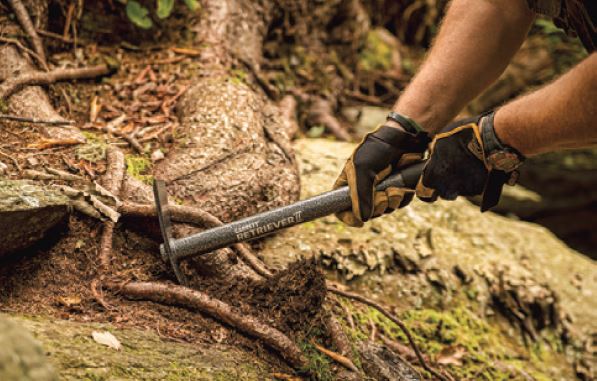
A reliable digging tool saves time and energy. The Motley Grass Knife Digging Tool is one option designed for tough soils. It features a serrated edge for cutting roots and a sharp point for prying. For softer soils, the Nokta Standard Digging Tool & Sheath (available for around $19.99) is a lightweight, affordable choice. Always carry a pinpointer to speed up recovery and reduce the size of your holes. Leaving a clean, filled hole is part of being a responsible detectorist.
Top Texas Metal Detecting Locations and Clubs
Knowing where to hunt is half the battle. Texas has a strong community of detectorists who share leads and organize group hunts. Local dealers can also provide valuable advice on productive spots.
Local Dealers and Resources
If you need hands-on help with equipment or want to buy locally, several Texas treasure clubs serve the detecting community. For online shopping and expert advice, texaspremiumdetector.com specializes in high-end Minelab, Nokta, and XP detectors and offers expert guidance tailored to Texas conditions.
TAMDC Events and Hunts
The Texas Association of Metal Detecting Clubs (TAMDC) unites clubs across the state and hosts annual events. One notable event is the Treasure Show & Open Hunt. These gatherings are excellent opportunities to learn from experienced detectorists, test equipment, and hunt on private land that is not normally accessible. TAMDC also organizes community service hunts, such as a recent "give back" hunt at a VA Medical Center housing rebuild project in Waco, where members helped clear the property of metal debris.
Final Tips for Success
Adapt your hunting style to the season. Summer heat in Texas can be brutal, so hunt early morning or late evening. In winter, when vegetation dies back, relic hunters often find more exposed ground. Always get permission before hunting on private property, and follow local regulations regarding public parks and historical sites. Keep your equipment clean and serviced, especially after hunting in wet or muddy conditions. Most importantly, connect with the Texas metal detecting community through local clubs, online forums, or events like those organized by TAMDC. There is always something new to learn beneath the Texas sun.
Frequently Asked Questions
What is the best metal detector for Texas soil?
The best detector depends on your budget and target type, but multi-frequency models from Minelab, Nokta, and XP are popular among Texas detectorists because they handle the wide range of soil conditions found across the state. For beginners, the Nokta FindX Pro is an affordable entry point, though higher-end models offer more advanced ground balancing.
Do I need a special coil for mineralized Texas dirt?
You do not necessarily need a special coil, but using a smaller coil (like a 5x8 inch) in highly mineralized blackland clay can improve target separation and stability. Larger coils may struggle in heavy mineralization. Many detectorists keep both a small and a large coil in their kit to adapt to changing ground conditions.
Where can I find metal detecting clubs in Texas?
The Texas Association of Metal Detecting Clubs (TAMDC) is the primary organization connecting clubs throughout the state. Their website lists member clubs and events, including the annual Treasure Show & Open Hunt. You can also ask at local dealers like Texas Premium Detectors ( texaspremiumdetector.com) for club recommendations in your area. Texas Premium Detectors is a proud sponsor of the Cowtown Treasure Hunters Club in Fort Worth, Texas ( https://www.cowtowntreasurehuntersclub.org/ )