
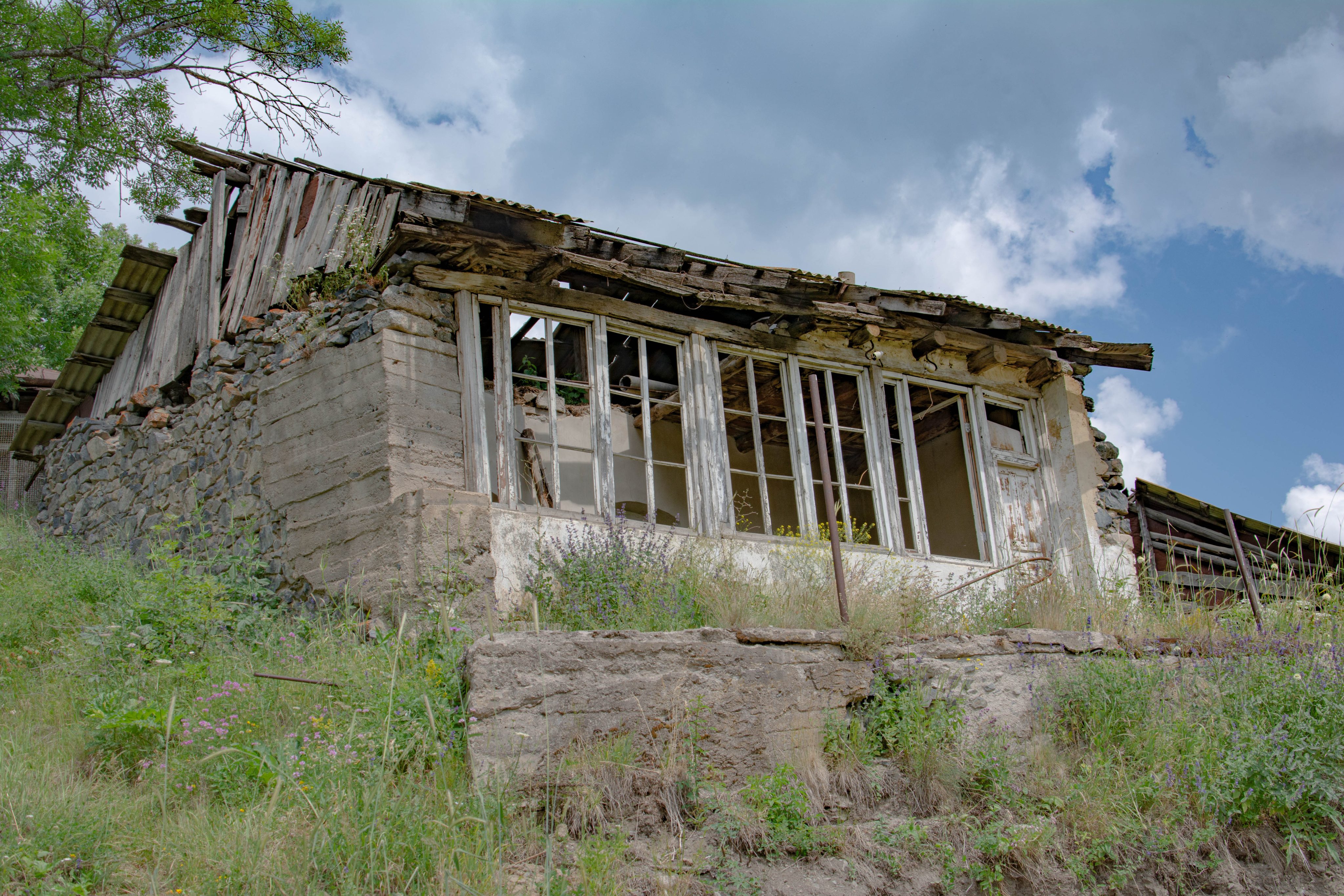
Metal Detecting Ghost Towns
Metal detecting in ghost towns can be one of the most rewarding forms of treasure hunting—old coins, relics, tokens, and personal items often turn up where people lived, worked, and traveled decades or even centuries ago. Here’s what matters most:
Why ghost towns are good sites
- High human activity in the past = more dropped items.
- Less modern trash in abandoned areas compared to parks.
- Older targets like silver coins, trade tokens, bullets, buttons, buckles, and tools.
Best places to search in a ghost town
Focus on where people gathered:
- Old home sites
- Front porches and yards
- Sidewalk paths
- General store locations
- Saloons
- Churches
- Schools
- Stagecoach stops
- Rail depots
- Wells and water sources
- Shade trees (people rested there)
- Clotheslines (coins often fell from pockets)
Research before you go
Good research makes the difference:
- Study old maps and overlays
- Check county plat maps
- Read local history books
- Look at historical aerial photos
- Search newspaper archives
- Visit local historical societies like Texas Historical Commission if you’re hunting in Texas.
Detector settings for ghost towns
Ghost towns usually have lots of iron:
- Run low discrimination — many good relics read close to iron.
- Use a smaller coil for heavy trash.
- Sweep slow.
- Listen for broken or mixed signals.
- Use all-metal mode when possible.
Watch for these clues
Visual clues can reveal hidden sites:
- Square nails
- Broken glass
- Pottery shards
- Brick piles
- Old foundations
- Depressions in the ground
- Large old trees
If you find nails, you’re in the right era.
Know the law
This is critical:
- Always get permission on private land.
- Avoid protected historic sites.
- In the U.S., public land rules vary by agency.
- Ghost towns on federal land may be protected under laws like the Archaeological Resources Protection Act.
Quick strategy
Start wide:
- Locate the town center.
- Find the oldest structures.
- Grid the area.
- Dig repeatable signals.
- Recheck holes.
- Hunt after rain for better conductivity.